
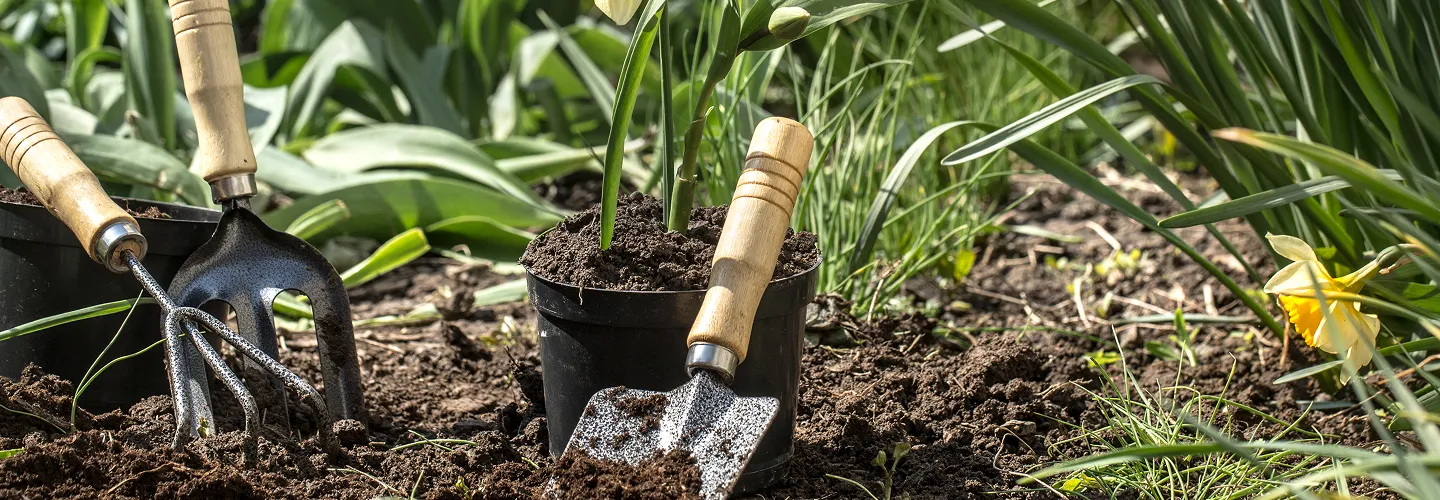
Bastrop Hedging Services
Choose our expert hedging services for precise, professional care that enhances curb appeal, promotes healthy growth, and keeps your property looking its best year-round.
Get a Free QuoteOur Bastrop Landscaping & Yard Care Services
When to Schedule Hedging in Bastrop, Texas – Seasonal Guide
In Bastrop, Texas, the best times to schedule hedging are typically late winter through early spring and again in late summer. These periods align with the region’s unique climate, which features mild winters, hot summers, and variable rainfall. By timing your hedging before the onset of new growth in spring or after the intense summer heat, you help ensure healthy regrowth and minimize plant stress. Neighborhoods near Fisherman’s Park and the Colorado River often experience higher humidity and richer soils, while areas closer to Tahitian Village may contend with sandy soils and more direct sun exposure.
Local environmental factors such as the last frost date—usually in early March—should be considered to avoid cold damage. Drought risk is also a concern during late summer, so it’s important to monitor precipitation levels and soil moisture. For residents in The Colony or near Bastrop State Park, shade coverage and tree density can influence how often and when hedging is needed. For more information on local regulations and best practices, visit the official municipal resource.
Local Factors to Consider for Hedging in Bastrop
- Tree density and proximity to wooded areas
- Terrain variations, including slopes and drainage
- Seasonal precipitation and drought risk
- Municipal restrictions or neighborhood association guidelines
- Soil type (sandy, loamy, or clay)
- Shade coverage from mature trees or structures
Benefits of Hedging in Bastrop
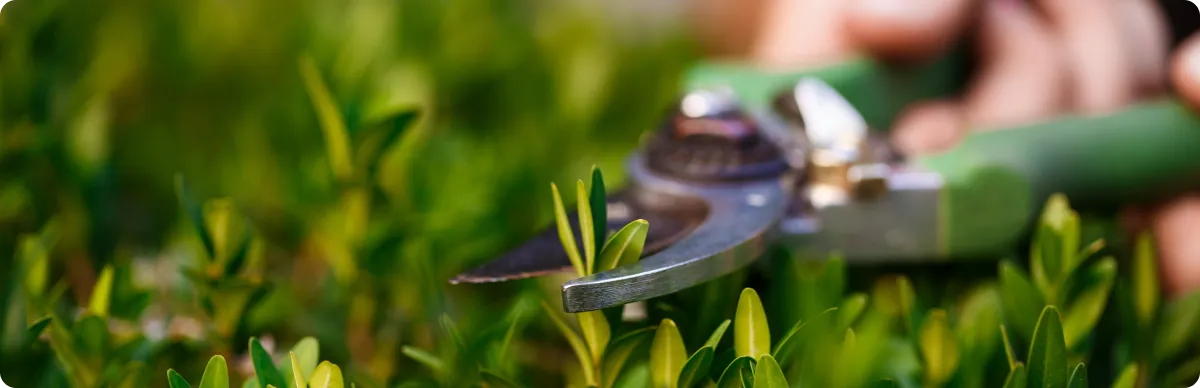
Enhanced Curb Appeal
Improved Plant Health
Increased Property Value
Professional Landscaping Expertise
Customized Hedge Designs
Reliable Local Service
Bastrop Hedging Types

Boxwood Hedges
-
Privet Hedges
-
Yew Hedges
-
Holly Hedges
-
Arborvitae Hedges
-
Loropetalum Hedges
-
Wax Myrtle Hedges
Our Hedging Process
Consultation and Planning
Site Preparation
Precision Trimming
Cleanup and Inspection
Why Choose Bastrop Landscape Services
-
Bastrop Homeowners Trust Us
-
Expert Lawn Maintenance
-
Reliable Scheduling
-
Competitive Pricing
-
Professional Team
-
Satisfaction Guarantee
-
Personalized Service
Hedging Practices for Bastrop’s Expansive Clay Soils and Drainage Patterns
Hedging in Bastrop requires careful consideration of the city’s predominant soil types, notably the Houston Black clay and Burleson clay series, as identified by the USDA Web Soil Survey. These soils are characterized by high clay content, poor drainage, and a tendency to compact, which can impact root development and hedge health. For optimal establishment, hedges should be planted in raised beds or with amended soils to improve drainage. Soil pH in Bastrop typically ranges from 7.5 to 8.2, so species tolerant of alkaline conditions, such as yaupon holly (Ilex vomitoria) and wax myrtle (Morella cerifera), are recommended. Incorporate 2-3 inches of compost tilled to a 6-inch depth and conduct a soil test through Texas A&M AgriLife Extension (test fee: $15-25) before planting. Maintain a minimum spacing of 18-24 inches between plants for dense, healthy growth.
Municipal Ordinances and Permit Requirements for Hedging in Bastrop
Hedging activities in Bastrop are subject to city ordinances regulating property line setbacks, height restrictions, and visibility at intersections. According to municipal code, hedges must be set back at least 3 feet from public sidewalks and cannot exceed 36 inches in height within 25 feet of street corners to maintain clear sightlines. Permit applications for new hedge installations or modifications near public rights-of-way are processed by the Building Division, with a standard review period of 5-10 business days and a typical fee of $50. Equipment operation for hedge trimming is permitted during the following hours:
- Monday-Friday: 7:00 AM - 7:00 PM
- Saturday: 8:00 AM - 6:00 PM
- Sunday and holidays: Prohibited
City of Bastrop Building Division
1311 Chestnut Street, Bastrop, TX 78602
Phone: (512) 332-8840
Official Website: City of Bastrop Building Division
Environmental Compliance: Stormwater, Buffer Zones, and Protected Areas in Bastrop
Hedging near Bastrop’s creeks, wetlands, and conservation areas must comply with local and state environmental regulations. The Texas Water Code and Clean Water Act require a 25-foot no-disturbance buffer from delineated wetlands and a 50-foot setback from the Colorado River and its tributaries. The city’s MS4 permit, administered by the Texas Commission on Environmental Quality, prohibits disposal of hedge clippings or soil into storm drains. Accepted disposal methods include:
- Weekly curbside pickup (Thursdays, April-November)
- Biodegradable bags or 32-gallon reusable bins
- No plastic bags or branches over 4 inches diameter
City of Bastrop Public Works and Parks Department
1311 Chestnut Street, Bastrop, TX 78602
Phone: (512) 332-8920
Official Website: City of Bastrop Public Works and Parks Department
Seasonal Timing and Climate Considerations for Hedging in Bastrop’s USDA Zone 8b
Bastrop is located in USDA Hardiness Zone 8b, with average annual minimum temperatures of 15-20°F and a growing season from mid-March to late November. Optimal hedge planting occurs from October 1 to November 30 or February 15 to March 31, when soil temperatures are between 55°F and 70°F and rainfall supports root establishment. Avoid major pruning or installation during June-August due to heat stress and drought risk. The National Weather Service Austin/San Antonio Office provides up-to-date forecasts for scheduling work around severe weather. Recommended timing guidelines:
- Planting: October-November or February-March
- Major pruning: January-February (dormant season)
- Fertilization: Early March and late September
What Neighborhoods Do We Serve Throughout Bastrop, TX?
- Historic Downtown Bastrop: Features mature landscapes, narrow lots, and historic district regulations requiring strict adherence to hedge height and species guidelines.
- Riverside Grove: Located near the Colorado River, this area has floodplain soils and requires compliance with buffer zone and stormwater management rules.
- Hunters Crossing: Newer development with HOA requirements for uniform hedge appearance, regular maintenance, and approved species lists.
- Pecan Park: Characterized by expansive clay soils and moderate slopes, necessitating careful drainage planning and soil amendment for hedging.
- Tahitian Village: Wooded lots with sandy loam soils and proximity to Bastrop State Park, where native species and wildfire risk mitigation are priorities.
- Colony: Large lots with mixed soil types and increased deer pressure, requiring deer-resistant hedge selections and consideration of property line setbacks.
- Piney Creek Bend: Features riparian corridors and protected wetlands, with additional restrictions on hedge placement and maintenance to protect sensitive habitats.