
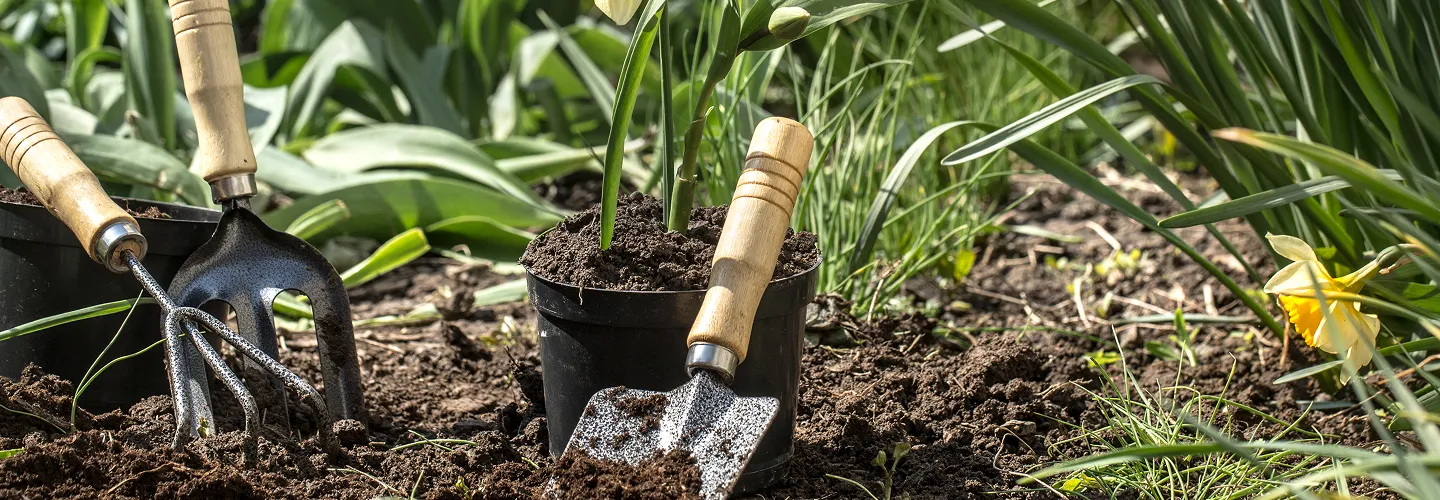
Bastrop Mulching Services
Choose our mulching services for superior soil health, weed control, and a beautiful, low-maintenance landscape—delivered by local experts who care about your property and the environment.
Get a Free QuoteOur Bastrop Landscaping & Yard Care Services
When to Schedule Mulching in Bastrop, Texas – Seasonal Guide
In Bastrop, Texas, the best time to schedule mulching is typically in early spring or late fall, when temperatures are moderate and rainfall is more predictable. These seasons allow mulch to retain soil moisture, suppress weeds, and protect plant roots from the region’s temperature extremes. Bastrop’s climate, characterized by hot, humid summers and mild winters, means that mulching too early or late in the year can reduce its effectiveness.
Local factors such as the proximity to the Colorado River, the sandy loam soils found in neighborhoods like Tahitian Village, and the risk of late spring frosts or summer droughts all play a role in determining the optimal mulching schedule. Homeowners near Bastrop State Park or along Highway 71 should also consider shade coverage from mature oaks and pines, as well as municipal guidelines, which can be found on the official city website.
Local Factors to Consider for Mulching in Bastrop
- Tree density and shade coverage in your yard
- Soil type (sandy loam, clay, or rocky terrain)
- Average precipitation and drought risk
- Frost dates and seasonal temperature swings
- Proximity to landmarks like Bastrop State Park or the Colorado River
- Municipal restrictions or neighborhood association guidelines
By considering these local factors, you can ensure your mulching is both effective and environmentally responsible, tailored to the unique needs of Bastrop landscapes.
Benefits of Mulching in Bastrop
Enhanced Soil Moisture Retention
Weed Growth Suppression
Improved Curb Appeal
Temperature Regulation for Plant Roots
Reduced Soil Erosion
Eco-Friendly Landscaping Solutions
Bastrop Mulching Types

Pine Bark Mulch
-
Cedar Mulch
-
Hardwood Mulch
-
Colored Wood Mulch
-
Rubber Mulch
-
Compost Mulch
-
Pine Straw Mulch
Our Mulching Process
Site Evaluation
Soil Preparation
Mulch Selection
Mulch Application
Final Inspection
Why Choose Bastrop Landscape Services
-
Bastrop Homeowners Trust Us
-
Expert Lawn Maintenance
-
Reliable Scheduling
-
Competitive Pricing
-
Professional Team
-
Satisfaction Guarantee
-
Personalized Service
Mulching and Soil Health in Bastrop’s Blackland Prairie and Sandy Loam Areas
Mulching practices in Bastrop must account for the city’s predominant soil types, including Houston Black clay and Patilo sandy loam, as identified by the USDA Web Soil Survey. These soils exhibit variable drainage and pH, with clay soils often poorly drained and prone to compaction, while sandy loams drain quickly but may require organic matter supplementation. For optimal results, mulch should be applied at a depth of 2-3 inches, avoiding direct contact with tree trunks and building foundations. Soil pH in Bastrop typically ranges from 6.0 to 7.5; periodic soil testing is recommended through Texas A&M AgriLife Extension (test cost: $15-25). Key soil management steps include:
- Compost incorporation: 2-3 inches tilled to 6-inch depth
- Lime application for pH below 6.0
- Mulch renewal every 12-18 months
Bastrop’s Municipal Mulch Disposal and Collection Guidelines
The City of Bastrop regulates yard waste and mulch disposal to protect public infrastructure and waterways. Weekly curbside collection is typically scheduled for Thursdays, April through November. Residents must use biodegradable bags or reusable bins (32-gallon maximum) for leaves, grass, and brush under 4 feet in length. Prohibited items include plastic bags and branches over 4 inches in diameter. Mulch and yard waste must not be placed in storm drains or on public streets, in accordance with the city’s MS4 permit under the Clean Water Act. For questions about collection schedules or disposal procedures:
City of Bastrop Public Works and Parks Department
1311 Chestnut Street, Bastrop, TX 78602
Phone: (512) 332-8920
Official Website: City of Bastrop Public Works and Parks Department
Environmental Compliance for Mulching Near Bastrop’s Waterways and Wetlands
Mulching activities adjacent to the Colorado River, Piney Creek, and city wetlands must comply with buffer zone regulations to prevent runoff and protect sensitive habitats. The City of Bastrop enforces a standard 25-foot no-disturbance buffer from wetlands and a 50-foot setback from the Colorado River. Mulch piles and application must not encroach on these zones. The Texas Commission on Environmental Quality (TCEQ) oversees stormwater management under the Texas Water Code. Key compliance steps include:
- Maintain 25-foot buffer from wetlands
- No mulch or yard waste within 50 feet of water bodies
- Avoid application before forecasted heavy rain (check National Weather Service Austin/San Antonio)
Equipment Operation Hours and Safety Standards for Mulching in Bastrop
Bastrop’s municipal code restricts the operation of mulching and landscaping equipment to minimize noise and ensure public safety. Permitted hours are:
- Monday-Friday: 7:00 AM - 7:00 PM
- Saturday: 8:00 AM - 6:00 PM
- Sunday and holidays: Prohibited Operators must use commercial-grade mulchers with functioning mufflers, and noise levels must not exceed 85 decibels at property lines. All personnel are required to wear ANSI Z87.1 safety glasses, hearing protection for equipment over 85 dB, and steel-toed boots. When working near public roads, a 15-foot safety clearance from traffic is mandatory. For ordinance details and enforcement:
City of Bastrop Code Compliance Division
1311 Chestnut Street, Bastrop, TX 78602
Phone: (512) 332-8840
Official Website: City of Bastrop Code Compliance Division
Seasonal Timing and Climate Considerations for Mulching in Bastrop’s USDA Zone 8b
Bastrop is located in USDA Hardiness Zone 8b, with average annual minimum temperatures of 15-20°F and a growing season from mid-March to late November. Optimal mulching windows are early spring (March 15 - April 30) and late fall (October 15 - November 30), when soil temperatures range from 50-65°F. Avoid mulching during peak summer (June-August) to prevent heat stress on plants and excessive moisture loss. Monitor local weather forecasts through the National Weather Service Austin/San Antonio for rainfall and temperature trends. Seasonal recommendations include:
- Spring mulching: March 15 - April 30
- Fall mulching: October 15 - November 30
- Avoid mulching during drought or extreme heat
What Neighborhoods Do We Serve Throughout Bastrop, TX?
- Historic Downtown Bastrop: Features mature trees and compacted urban soils, requiring careful mulch application to avoid root suffocation and comply with historic district landscaping standards.
- Riverside Grove: Proximity to the Colorado River and floodplain areas necessitates strict adherence to buffer zones and runoff prevention measures during mulching.
- Hunters Crossing: Newer development with sandy loam soils and larger lots, where mulch helps retain soil moisture and control erosion on sloped properties.
- Pecan Park: High tree density and clay soils increase the risk of compaction; mulching supports soil health but must be managed to prevent excess buildup.
- Colony Oaks: Suburban area with HOA landscaping guidelines, requiring uniform mulch appearance and compliance with community standards for organic material use.
- Tahitian Village: Wooded lots and proximity to Piney Creek demand erosion control and careful mulch placement to protect sensitive habitats and prevent waterway contamination.