
Bastrop Weeding Services
Choose our expert weeding services for reliable, thorough care that keeps your landscape healthy, beautiful, and free from unwanted growth—so you can enjoy a lush, vibrant yard all season long.
Get a Free QuoteOur Bastrop Landscaping & Yard Care Services
When to Schedule Weeding in Bastrop, Texas – Seasonal Guide
In Bastrop, Texas, the timing of weeding is crucial for maintaining healthy, attractive landscapes. The region’s climate features hot summers, mild winters, and variable rainfall, which means weed growth can surge at different times of the year. Typically, the best periods for weeding are early spring—just after the last frost—and late fall, when temperatures are cooler and soil moisture is more consistent. Neighborhoods near the Colorado River or around Fisherman’s Park often experience higher humidity and denser shade, which can influence weed proliferation and the ideal timing for removal.
Local environmental factors such as Bastrop’s sandy loam soils, the risk of summer drought, and the presence of mature oak and pine trees in areas like Tahitian Village all play a role in determining the most effective weeding schedule. Homeowners should also be aware of municipal guidelines and seasonal restrictions, which can be found on the official Bastrop city website, to ensure compliance and optimal results.
Local Factors to Consider for Weeding in Bastrop
- Tree density and shade coverage (e.g., Lost Pines Forest areas)
- Soil type and drainage, especially in river-adjacent neighborhoods
- Seasonal precipitation patterns and drought risk
- Frost dates and temperature fluctuations
- Terrain slope and accessibility
- Municipal restrictions or neighborhood association guidelines
Benefits of Weeding in Bastrop
Enhanced Curb Appeal
Healthier Plant Growth
Reduced Pest Infestation
Improved Soil Quality
Increased Property Value
Professional and Reliable Service
Bastrop Weeding Types

Hand Weeding
-
Mulch Application
-
Pre-Emergent Weed Control
-
Post-Emergent Herbicide Treatment
-
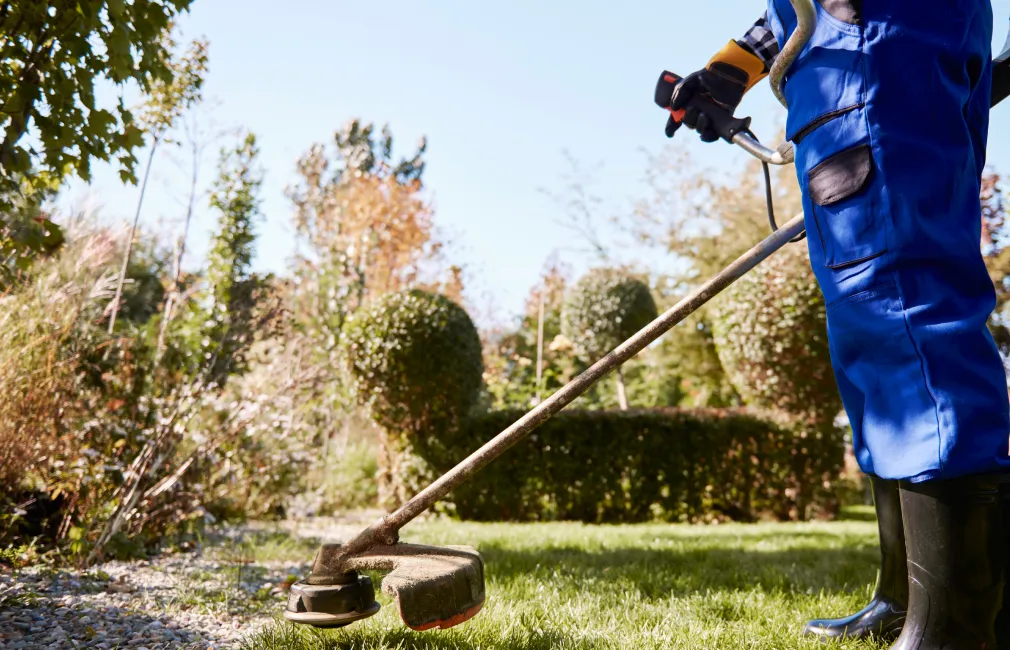
Mechanical Weeding
-
Flame Weeding
-
Organic Weed Removal
Our Weeding Process
Site Evaluation
Weed Identification
Targeted Removal
Soil Treatment
Final Inspection
Why Choose Bastrop Landscape Services
-
Bastrop Homeowners Trust Us
-
Expert Lawn Maintenance
-
Reliable Scheduling
-
Competitive Pricing
-
Professional Team
-
Satisfaction Guarantee
-
Personalized Service
Bastrop’s Blackland Prairie Soils: Weeding Challenges and Soil Health
Bastrop’s landscape is dominated by Houston Black clay and Burleson clay loam, both classified as Vertisols with high shrink-swell capacity and slow drainage. These soils, with pH typically ranging from 7.5 to 8.2, create unique challenges for weeding, as compaction and poor drainage can favor aggressive weed species such as nutsedge and crabgrass. Effective weed removal requires deep root extraction to a minimum depth of 4-6 inches, especially in compacted areas. Soil amendment is recommended:
- Incorporate 2-3 inches of compost to a 6-inch depth
- Apply sulfur if pH exceeds 8.0
- Conduct soil testing through Texas A&M AgriLife Extension (typical cost: $15-25) Research local soil series using the USDA Web Soil Survey for site-specific recommendations. Proper soil management supports healthy turf and reduces weed pressure.
Municipal Weeding Ordinances and Collection Protocols in Bastrop
Weeding activities in Bastrop are regulated under city code to maintain neighborhood standards and protect public health. The City of Bastrop requires property owners to keep grass and weeds below 12 inches in height; violations may result in citations and abatement fees. Equipment operation is permitted:
- Monday-Friday: 7:00 AM - 7:00 PM
- Saturday: 8:00 AM - 6:00 PM
- Sunday and holidays: Prohibited Yard waste, including weeds and brush under 4 feet, is collected curbside every Thursday from April through November. Use biodegradable bags or 32-gallon reusable bins; plastic bags and branches over 4 inches in diameter are not accepted. For ordinance enforcement and collection schedules:
City of Bastrop Code Compliance Division
1311 Chestnut Street, Bastrop, TX 78602
Phone: (512) 332-8840
Official Website: City of Bastrop Code Compliance Division
Stormwater Protection and Environmental Compliance for Weeding in Bastrop
Weeding near Bastrop’s creeks, wetlands, and riparian buffers must comply with local and federal stormwater regulations. The city’s MS4 permit, administered under the Clean Water Act, prohibits the disposal of weeds, clippings, or soil in storm drains. Maintain a 25-foot no-disturbance buffer from wetlands and a 50-foot setback from water bodies such as the Colorado River. Application of herbicides must follow Texas Water Code and Texas Commission on Environmental Quality guidelines to prevent runoff. Key compliance steps:
- Never blow or wash debris into storm drains
- Use only approved herbicides at labeled rates
- Schedule weeding before forecasted rain (check National Weather Service Austin/San Antonio) For environmental guidance:
Texas Commission on Environmental Quality
12100 Park 35 Circle, Austin, TX 78753
Phone: (512) 239-1000
Official Website: Texas Commission on Environmental Quality
Seasonal Timing and Weather Considerations for Weeding in Bastrop
Bastrop’s USDA Hardiness Zone 8b supports year-round weed growth, but optimal manual and chemical weeding windows are:
- Spring: March 15 – May 31 (soil temp 60-75°F)
- Fall: September 15 – November 15 (soil temp 60-70°F) Avoid weeding during peak summer (June-August) when heat stress can damage turf and increase herbicide volatility. Monitor local weather using the National Weather Service Austin/San Antonio for rainfall and temperature forecasts. For persistent perennial weeds, schedule removal before seed set, typically by late April. For best results:
- Apply pre-emergent herbicides in early March
- Remove weeds after rainfall when soil is moist
- Avoid mechanical weeding during drought or high heat advisories
Professional Standards and Safety Protocols for Weeding Operations in Bastrop
All weeding operations in Bastrop must adhere to city safety and equipment standards. Operators are required to use:
- Eye protection: ANSI Z87.1 safety glasses
- Hearing protection: Earmuffs or plugs for 85+ dB equipment
- Gloves: Cut-resistant for hand weeding, chemical-resistant for herbicide application
- Footwear: Steel-toed boots with non-slip soles Maintain a 15-foot clearance from power lines and public sidewalks. Equipment must be commercial-grade and maintained with blade sharpening every 20-25 hours of use. For work in public parks or near city infrastructure, coordinate with:
City of Bastrop Public Works and Parks Department
1311 Chestnut Street, Bastrop, TX 78602
Phone: (512) 332-8920
Official Website: City of Bastrop Public Works and Parks Department
What Neighborhoods Do We Serve Throughout Bastrop, TX?
- Historic Downtown: Features mature landscaping and compacted urban soils, requiring careful hand weeding and compliance with historic district standards.
- Riverside Grove: Proximity to the Colorado River and floodplain areas necessitates strict buffer compliance and attention to drainage patterns.
- Hunters Crossing: Newer development with expansive lots and HOA guidelines; weed height and curb appeal are closely regulated.
- Pecan Park: Heavy tree canopy and clay soils increase leaf litter and weed pressure, especially in shaded turf areas.
- Tahitian Village: Sandy loam soils and sloped lots present erosion risks; mechanical weeding must minimize soil disturbance.
- Colony: Large properties with mixed soil types and frequent wildlife activity, requiring adaptive weeding strategies and deer-resistant plantings.
- Piney Creek Bend: Near conservation areas and wetlands, subject to additional environmental protections and setback requirements.